Organized by the German Logistics Association (BVL), BVL Supply Chain CX brought together experts from logistics, business, politics, and academia in Berlin for the third time. As a key platform for professional exchange, the event provided insights into current challenges and developments in supply chain management.
Six key topics were addressed, including digitalization, artificial intelligence, cybersecurity, geopolitical developments, and defense. The discussions highlighted how closely technological innovation, economic competitiveness, and the security of global supply chains are now interconnected.
Cyber governance: Working together to better protect supply chains
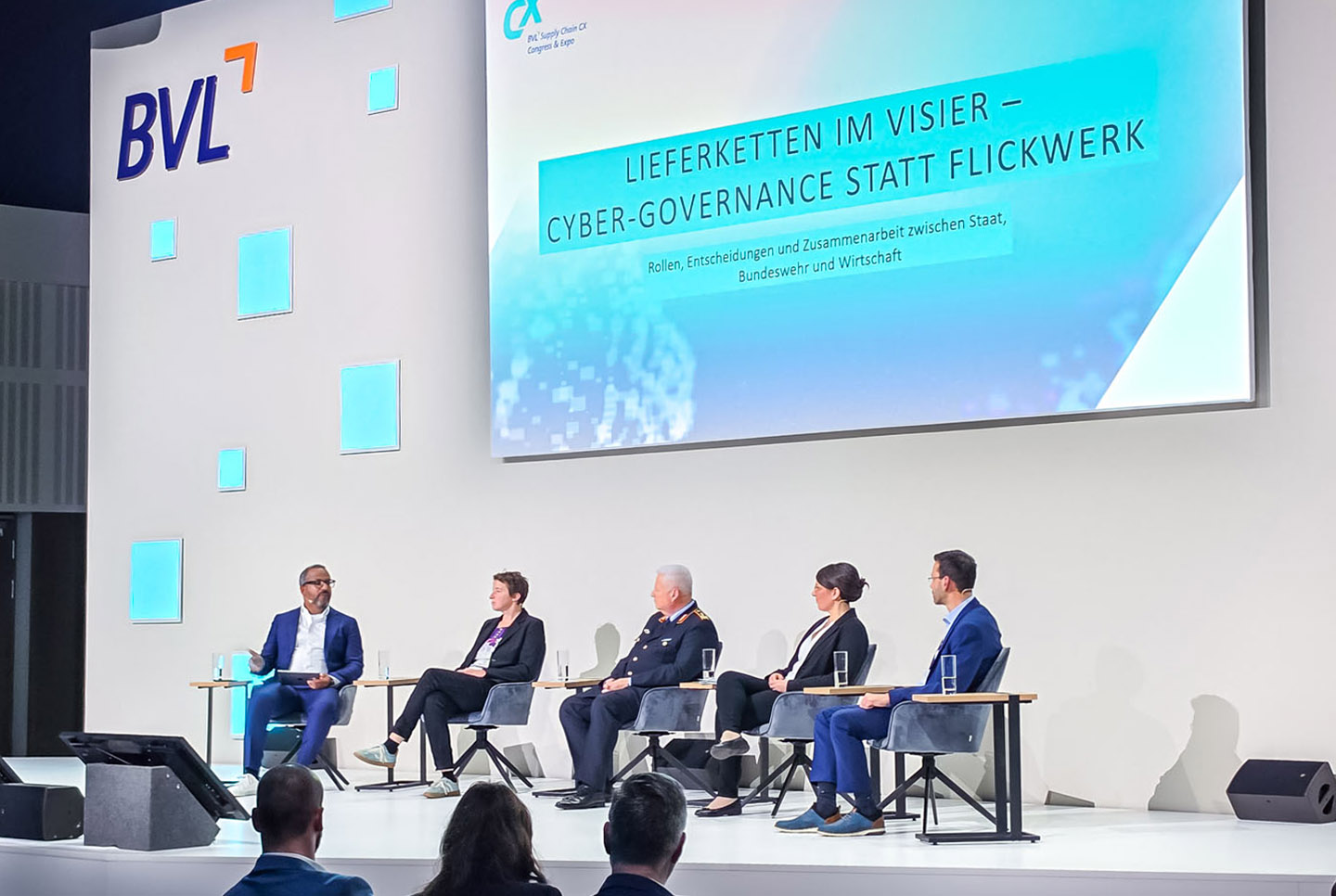
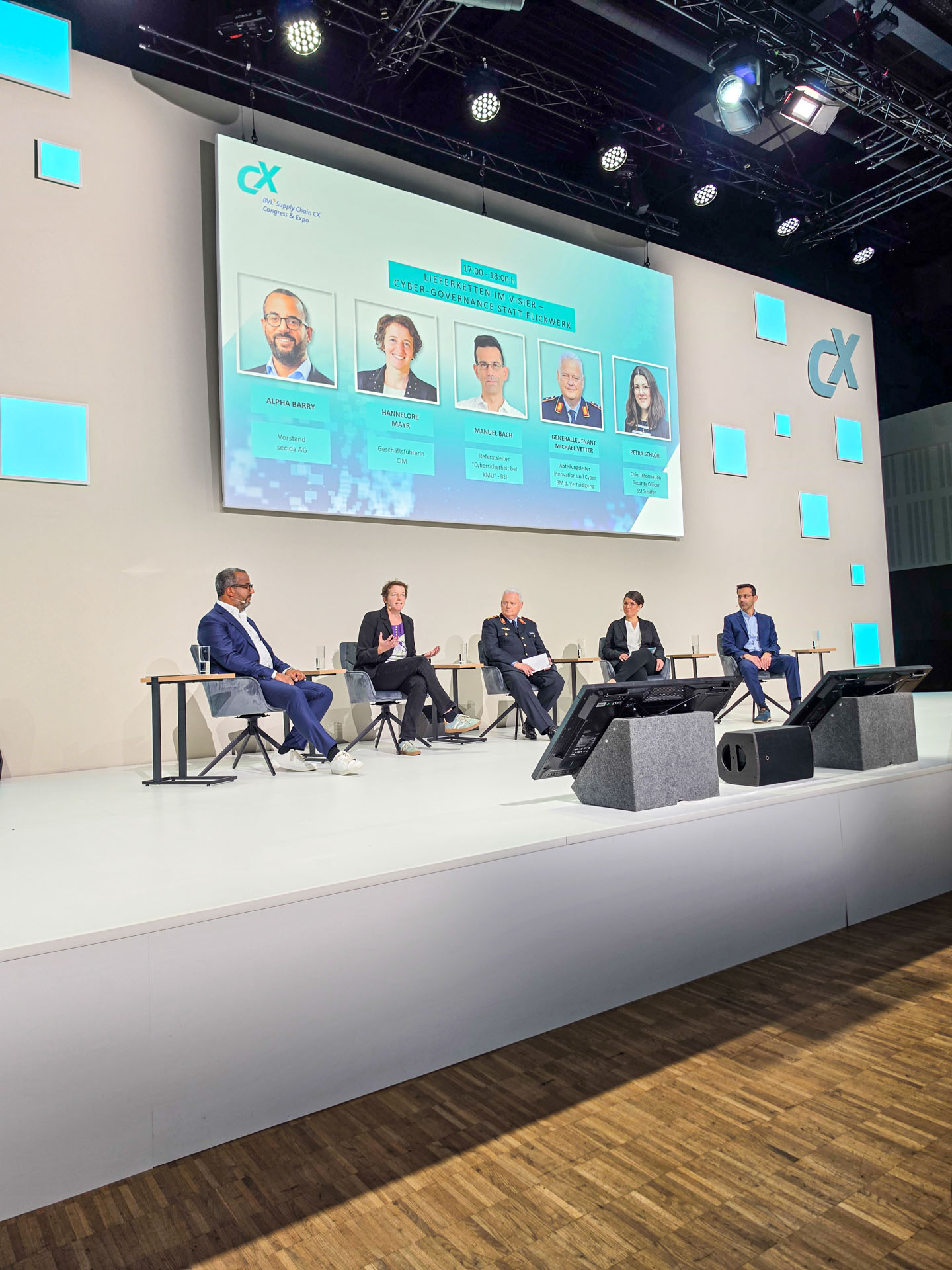
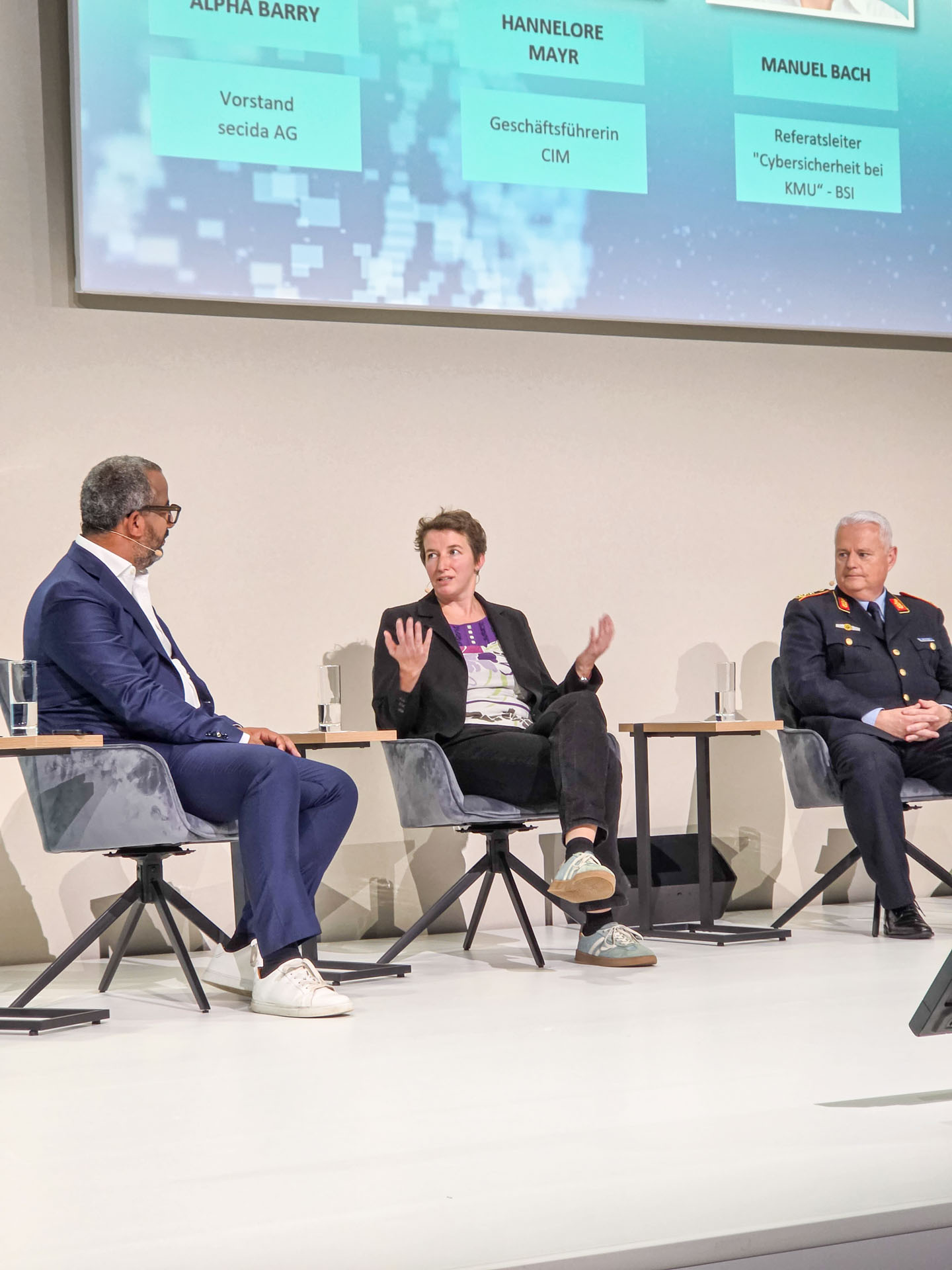
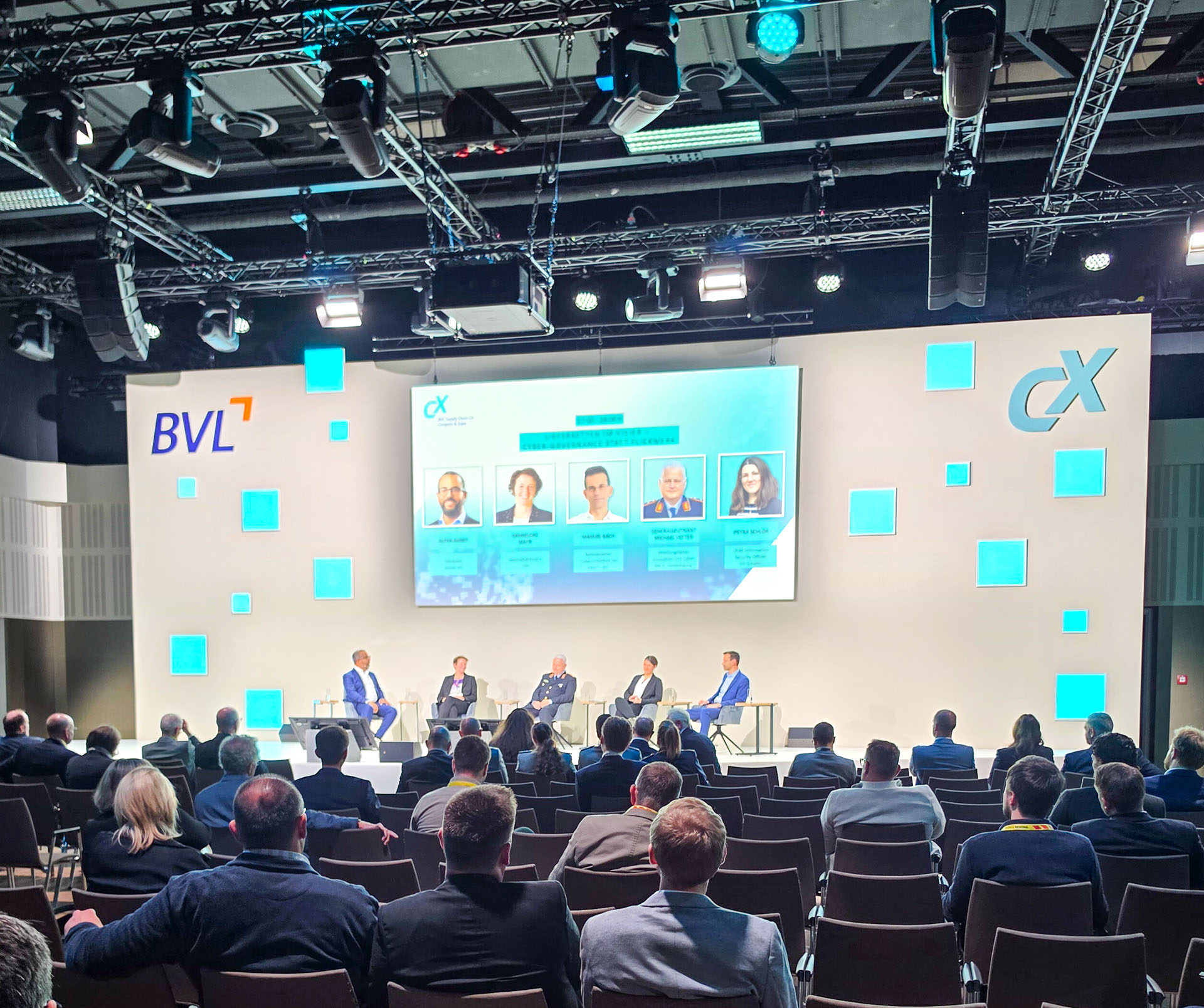
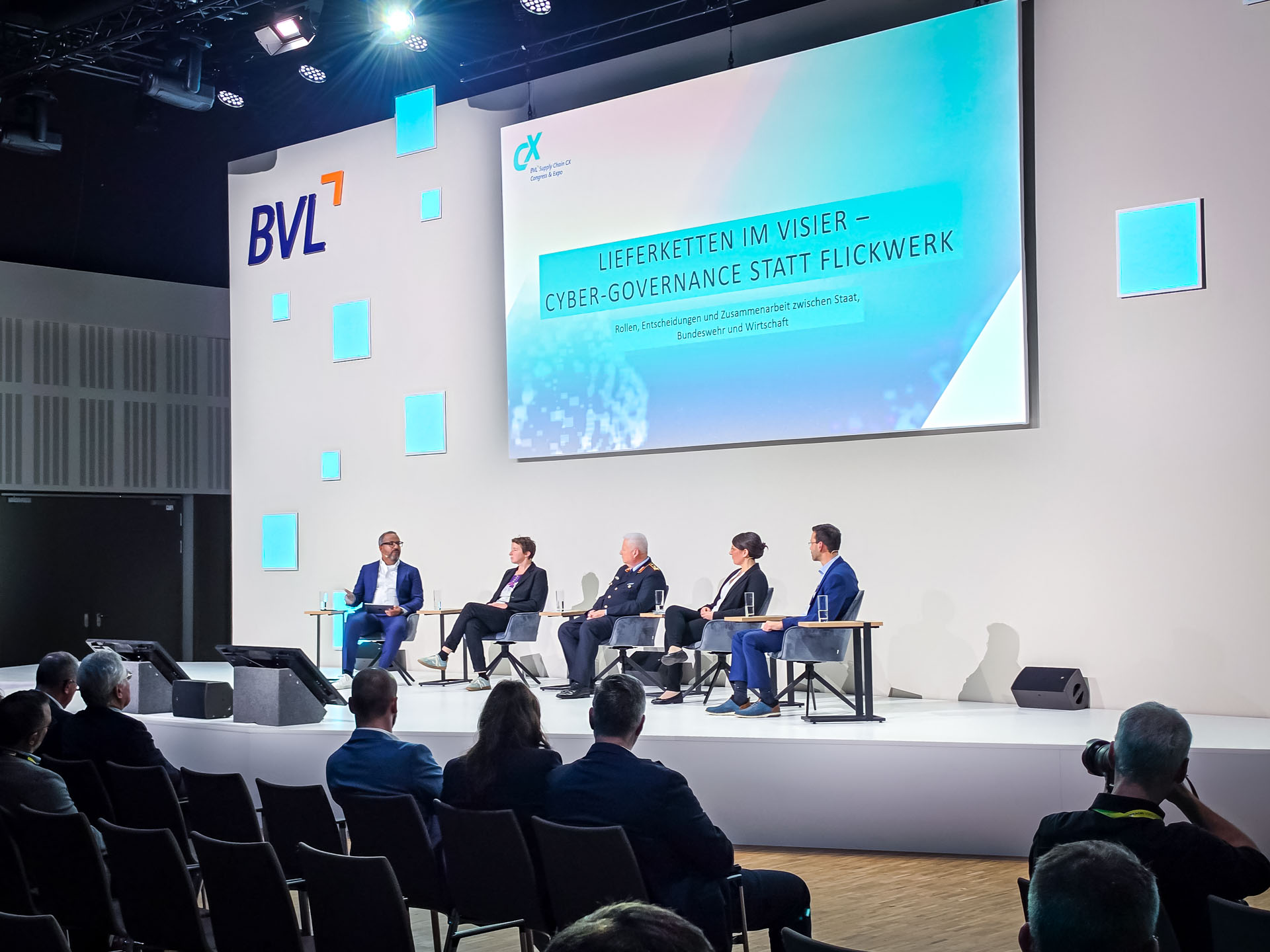
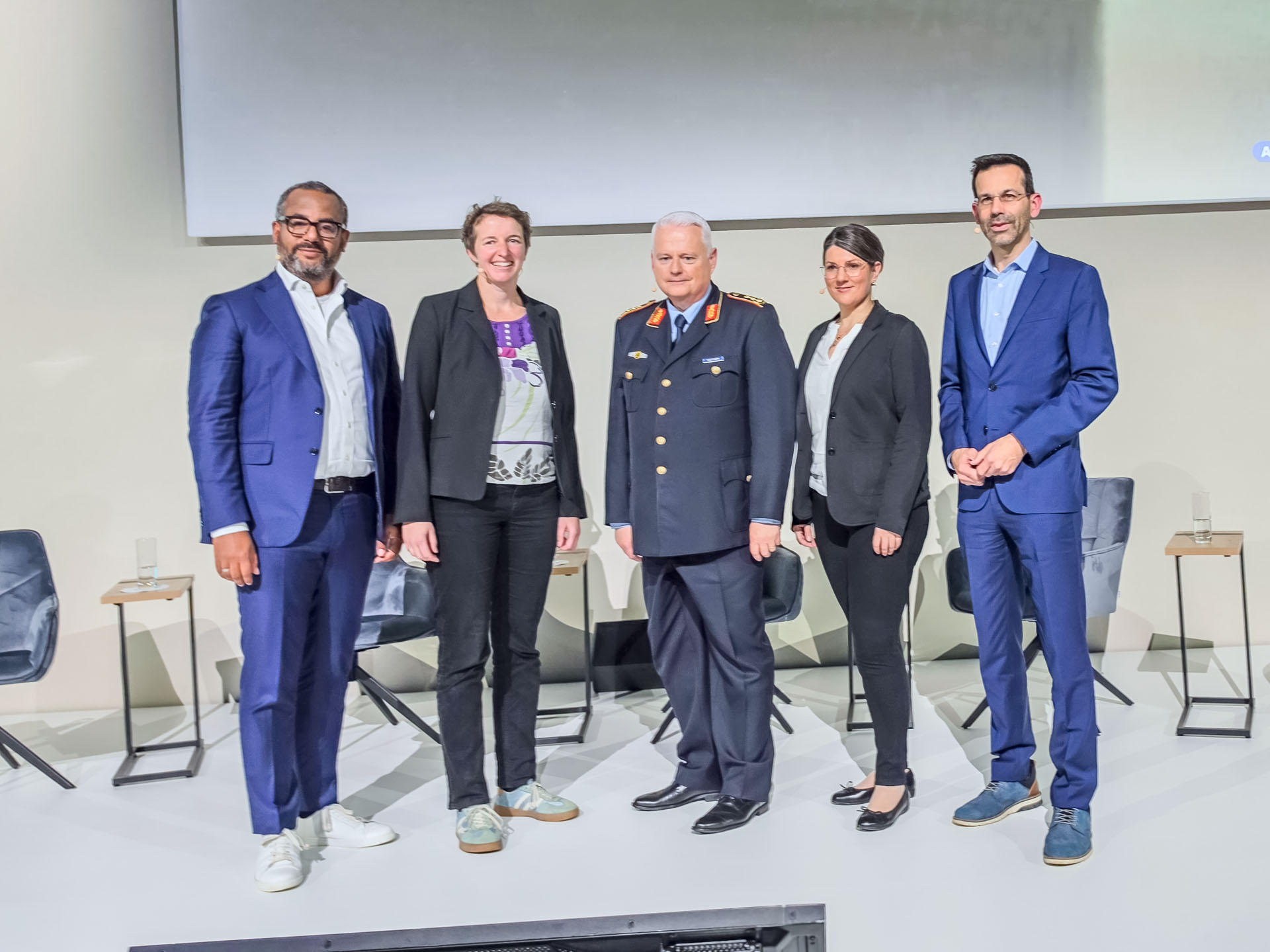
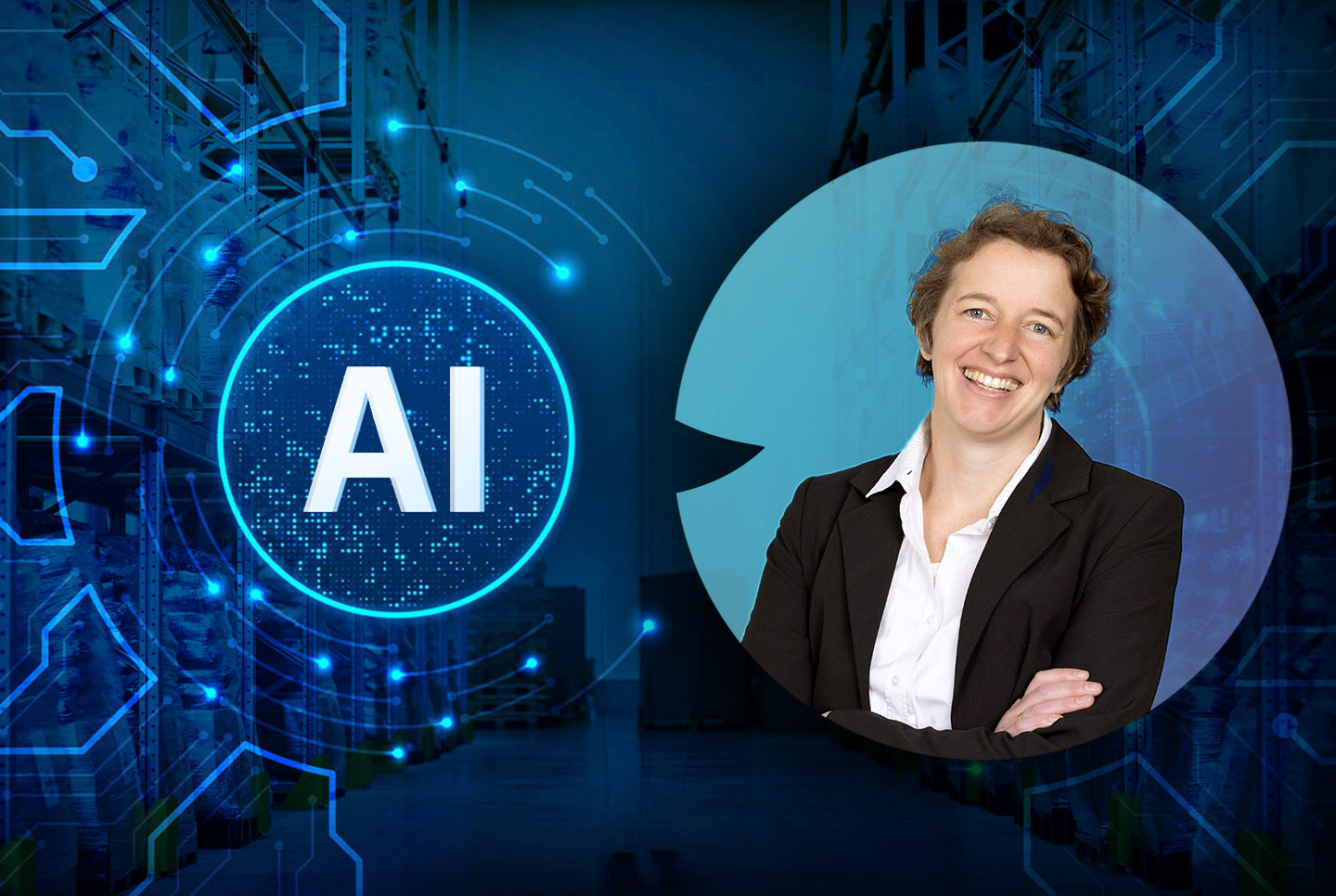
A particular highlight for CIM was the panel discussion "Supply Chains Under Attack – Cyber Governance Instead of Patchwork: Roles, Decisions, and Collaboration Between Government, the German Armed Forces, and Business," featuring CIM CEO Hannelore Mayr. Together with representatives from the German Federal Office for Information Security (BSI), the Federal Ministry of Defense, and the business community, she discussed how companies can better protect themselves and their supply chains against cyberattacks.
The discussion went beyond technical security measures. Clear responsibilities, coordinated decision-making processes, and effective collaboration between government institutions and companies are equally important. As supply chains become increasingly interconnected through digital networks, it is essential to identify security risks at an early stage and be prepared for potential threats.
For the logistics industry, this means that the security of digital systems and the availability of logistics processes must be considered together. Stable supply chains require companies to be prepared not only for operational disruptions but also for digital threats.
Artificial intelligence and resilience as drivers of transformation
The use of artificial intelligence (AI) and supply chain resilience were also among the event's key topics. An in-depth study presented at BVL Supply Chain CX, titled "AI and Resilience: Successfully Transforming Supply Chains" and developed in cooperation with 4flow, highlights the growing importance of these issues.
According to the study, 83 percent of the companies surveyed already use AI or are piloting corresponding applications. Key areas of application include planning, optimization, monitoring, forecasting, and data analysis.
AI can help companies analyze data more effectively, make better-informed decisions, and improve the efficiency of logistics operations. At the same time, resilient supply chains are becoming increasingly important in light of geopolitical risks, volatile markets, and growing demands for flexibility.
This makes one thing clear: The future of logistics does not depend solely on new technologies. What also matters is how companies integrate these technologies into their processes, account for risks, and build long-term supply chain resilience.
Conclusion: Bringing security and digitalization together
BVL Supply Chain CX 2026 demonstrated the wide range of challenges facing logistics and supply chain management. Artificial intelligence opens up new opportunities to optimize logistics processes, while cybersecurity and resilience are increasingly becoming strategic success factors.
For CIM, exchanging ideas on these developments is particularly relevant. As a provider of warehouse management systems, we focus on the digitalization and control of intralogistics processes. The discussions in Berlin underscored that high-performance logistics solutions and the responsible management of digital risks go hand in hand.
The event provided valuable insights into how business, politics, and academia can work together to build a secure and future-ready logistics industry.
Highlights from BVL Supply Chain CX Congress 2026
Here are some impressions of Hannelore Mayr's appearance at BVL Supply Chain CX 2026: